
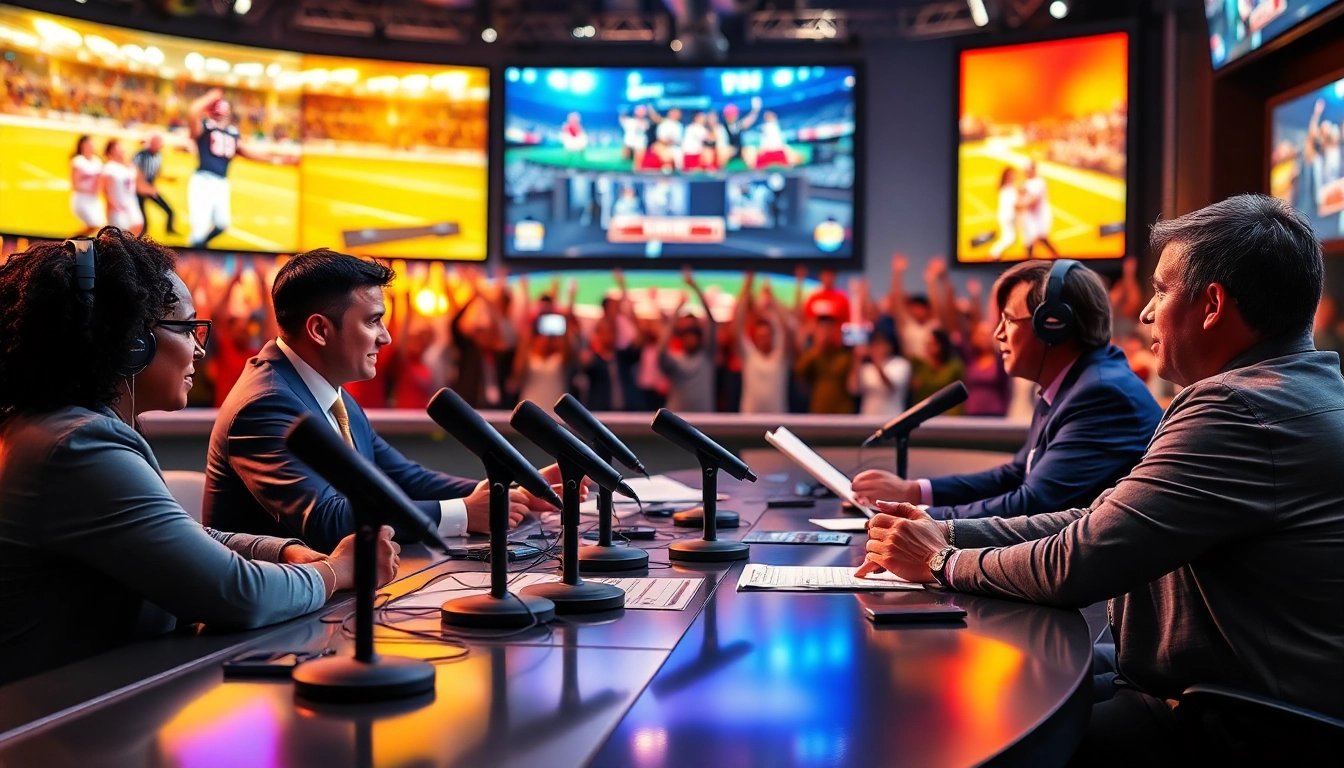
Introduction to Sports Broadcasting
What is Sports Broadcasting?
Sports broadcasting is the process of transmitting live or recorded sports events through various media channels such as television, radio, and online platforms. This dynamic industry serves as a vital link between athletic events and fans around the world, allowing them to experience thrilling moments in real-time. The advent of advanced technologies has transformed the way sports events are covered and consumed. A major element of this evolution is the way Sports Broadcasting enables deeper engagement with audiences through various interactive elements and analytics.
The Evolution of Sports Broadcasting
The history of sports broadcasting dates back to the early 20th century when radio stations began to broadcast live play-by-play commentary of games. The introduction of television in the mid-20th century marked a pivotal moment, bringing sports directly into homes and making events more accessible. Over the decades, advancements such as color broadcasting, instant replay, and high-definition broadcasts have continually enhanced the viewing experience. Recent innovations like 4K resolution, augmented reality graphics, and immersive soundscapes have further raised the standards for how fans engage with sports.
Key Terminology in Sports Broadcasting
Understanding the terminology is essential for anyone looking to delve into the world of sports broadcasting. Common terms include:
- Play-by-Play: A detailed commentary of the game as it unfolds.
- Color Commentary: Insights and opinions from a former player or expert, enhancing the primary commentary.
- Live Streaming: Real-time broadcasting over the internet.
- Pundit: An expert analyst who provides opinions on games and players.
- Scoreboard: Displays current scores, time remaining, and team statistics.
The Role of Technology in Sports Broadcasting
Enhancements Through Live Streaming
Live streaming has revolutionized sports broadcasting by enabling fans to watch events from virtually anywhere with an internet connection. Major sports leagues have adopted streaming platforms, allowing them to reach a broader audience. This flexibility attracts younger viewers who may prefer on-demand content over traditional cable subscriptions. Furthermore, live streaming enhances viewer engagement with features like multi-angle views, real-time statistics, and interactive features, giving fans more control over their viewing experience.
Utilizing Data Analytics in Sports Broadcasting
Data analytics has become a cornerstone of sports broadcasting, providing broadcasters and fans with deep insights into player performances, team strategies, and game dynamics. Advanced analytics tools can help create enriched narratives around a game, analyzing metrics such as player fatigue levels, shooting percentages, and defensive formations. This data-driven approach not only enhances commentary but also allows broadcasters to anticipate key moments in the game, creating more compelling viewing experiences.
Innovations in Viewer Interaction
As viewer expectations evolve, broadcasters are innovating ways to engage with fans. Features like chat options during live streams, polls, and viewer-generated content encourage active participation. Virtual watch parties have gained traction where fans can connect, discuss, and react to live sporting events together, simulating the in-person experience from the comfort of their homes. Such interactive features not only retain viewers’ attention but also foster a sense of community.
Audience Engagement Strategies in Sports Broadcasting
Building a Community Around Sports Events
Creating a strong community around sports events can significantly enhance audience engagement. Broadcasters can facilitate discussions through social media, inviting fans to share their opinions and experiences. Additionally, leveraging platforms like forums and dedicated apps can help create a space where fans can connect, ensuring they feel more personally invested in the sports content being broadcast. Engagement through fan events, player Q&As, and exclusive behind-the-scenes access also strengthens community ties.
Social Media's Influence on Engagement
Social media has become an indispensable tool for sports broadcasters, providing real-time updates and direct interactions with fans. By sharing highlights, exclusive interviews, and engaging content, broadcasters can keep audiences updated and involved. Platforms like Twitter and Instagram enable broadcasters to reach audiences quickly and allow viewers to engage actively with content through likes, shares, and comments. Hashtags and trends related to live events can also exponentially enhance visibility.
Creating Interactive Experiences for Viewers
Innovation in interactive experiences is reshaping viewer expectations in sports broadcasting. From interactive graphics displaying real-time stats to choosing alternative camera angles, the desire for an enriched viewer experience is growing. Gamification elements, such as fantasy leagues and prediction games, reinforce viewer investment and interest in sports events. As technology continues to evolve, integrating sophisticated interaction options will be crucial for broadcasters aiming to maintain viewer loyalty.
Challenges in the Sports Broadcasting Industry
Navigating Regulatory Issues
The challenges posed by regulations in sports broadcasting can be quite complex. Licensing agreements, copyright issues, and broadcast rights often dictate how and when events can be aired. Navigating these regulations can be daunting for new entrants in the marketplace, as compliance is mandatory to avoid legal disputes. Keeping abreast of changes in legislation, especially regarding digital streaming and advertising practices, is essential for broadcasters to maintain their operations smoothly.
Addressing Competition from Streaming Services
With streaming services emerging as fierce competitors to traditional sports broadcasting, the landscape has become increasingly competitive. These platforms offer subscription models, affordability, and flexibility that appeal to modern viewers, particularly the younger demographic. Broadcasters now face the challenge of creating compelling content and unique offerings to retain their audiences. Partnerships with key streaming platforms can serve as a strategic advantage in the face of this pressing competition.
Maintaining Broadcast Quality and Standards
Ensuring consistent broadcast quality is paramount in maintaining audience engagement. Technical difficulties, such as glitches or poor audio, can quickly frustrate viewers and diminish their experience. Broadcasters must invest in high-quality equipment and staff training to ensure seamless productions. Moreover, adhering to content quality standards, including informative commentary, expert analyses, and innovative production techniques, is crucial in retaining viewer interest and establishing a reputable brand.
Future Trends in Sports Broadcasting
The Growing Role of Virtual Reality
Virtual Reality (VR) technology holds immense potential for the future of sports broadcasting. It can provide immersive experiences, allowing viewers to experience games as if they were present in the stadium. As VR technology advances and becomes more affordable, we anticipate an uptick in its integration within events, reshaping how fans engage with their favorite sports and delivering increasingly multi-dimensional experiences.
Predictive Analytics for Viewership Growth
With the rise of big data, predictive analytics is predicted to play a significant role in the future of sports broadcasting. By analyzing viewer habits and preferences, broadcasters can tailor content and schedules to maximize engagement. These insights can inform strategic decisions related to advertising, programming, and promotional campaigns, leading to growth in viewership and enhancing the overall broadcasting strategy.
Shifting Paradigms in Advertising and Sponsorship
The landscape of advertising and sponsorship in sports broadcasting is undergoing significant changes. Traditional advertisements are being replaced by more integrated and immersive brand experiences. Brands seek authentic connections with viewers, resulting in innovative sponsorship models that prioritize collaboration and engagement. This shift towards more strategic partnerships can greatly enhance viewer experiences and provide additional revenue streams for broadcasters.
FAQs
What is Sports Broadcasting?
Sports broadcasting refers to the live or recorded transmission of sports events through various media platforms, including television, radio, and online streaming services.
How has technology changed sports broadcasting?
Technology has enhanced sports broadcasting through live streaming, real-time data analytics, and interactive viewer experiences, enriching how fans engage with events.
What challenges do sports broadcasters face?
Broadcasters face challenges like regulatory hurdles, intense competition from streaming platforms, and the need to maintain high-quality broadcasts amidst changing viewer preferences.
How can sports broadcasting improve fan engagement?
By incorporating social media engagement, interactive elements, and community-building initiatives, sports broadcasting can significantly enhance fan interaction and loyalty.
What trends are shaping the future of sports broadcasting?
Emerging trends include virtual reality experiences, predictive analytics for enhancing viewership, and innovative advertising methods to capture audience interest effectively.